Factory Farm Watch
The #1 resource on factory farming in California
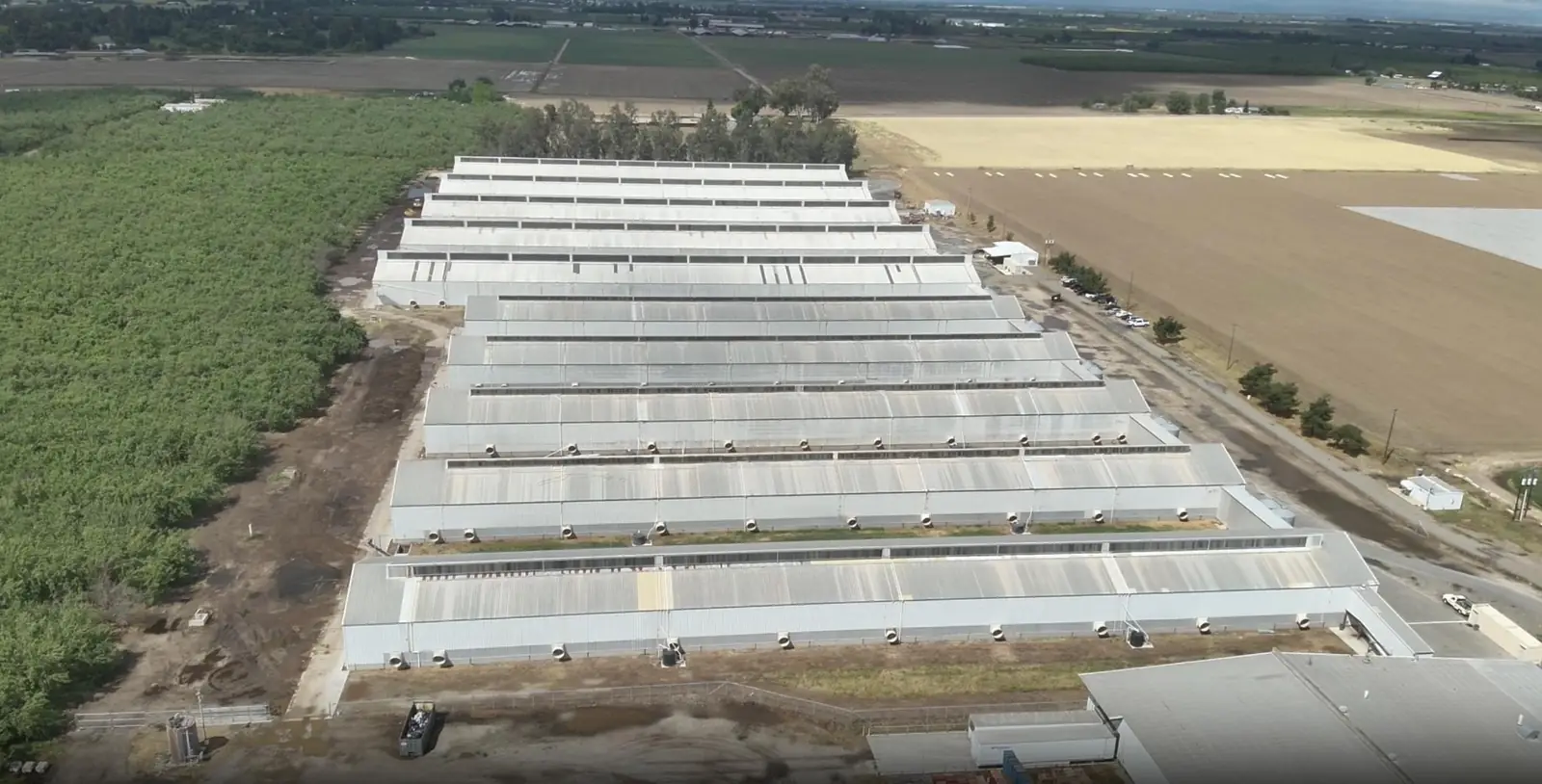
California has one of the largest factory farming industries in the nation, with over 1300 large-scale animal operations that collectively raise hundreds of millions of animals every year. With this map and database, you can see exactly where these facilities are located and learn about their impacts on our state.
What Is A Factory Farm?
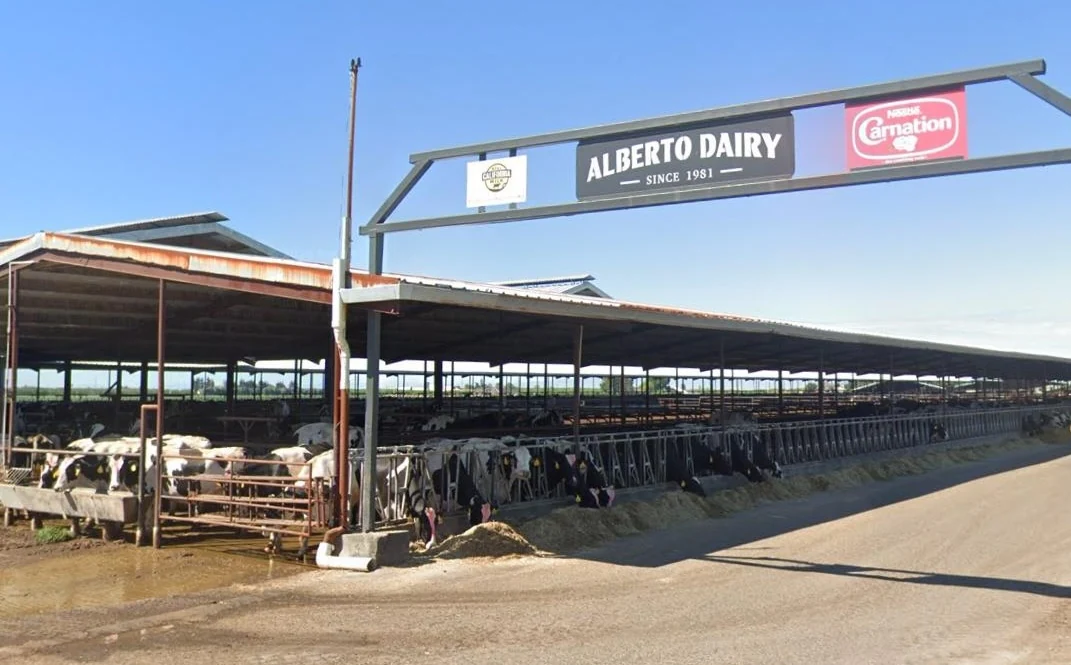
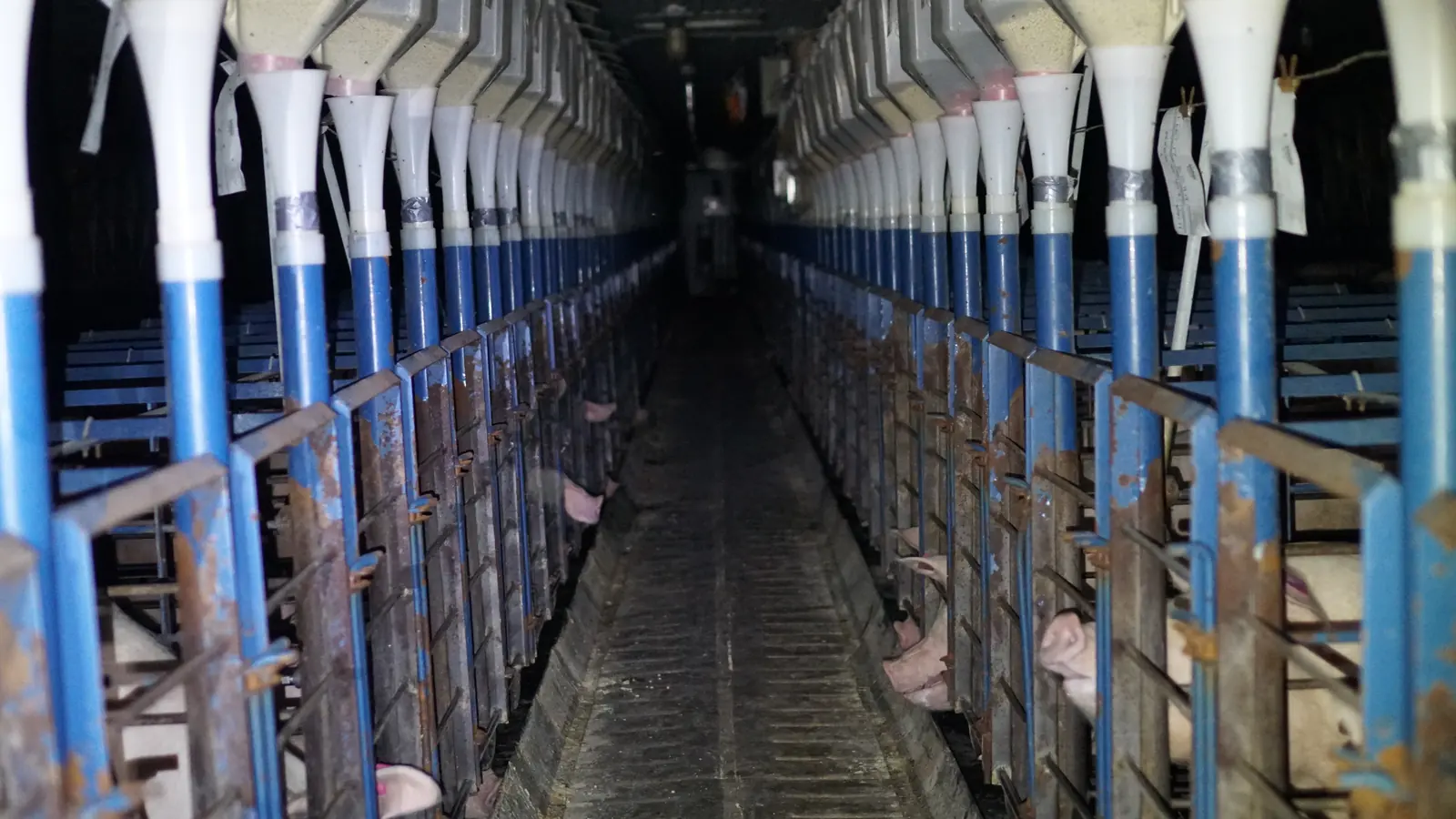
A factory farm is an industrial facility where large numbers of animals are confined and raised in a manner that maximizes production at minimal cost. These operations often house thousands of animals in tightly packed conditions and rely on automated systems for feeding and waste management.
The facilities shown on our map confine at least 5,000 birds or 500 cattle or other large animals.
 Rainbow Farms | Stanislaus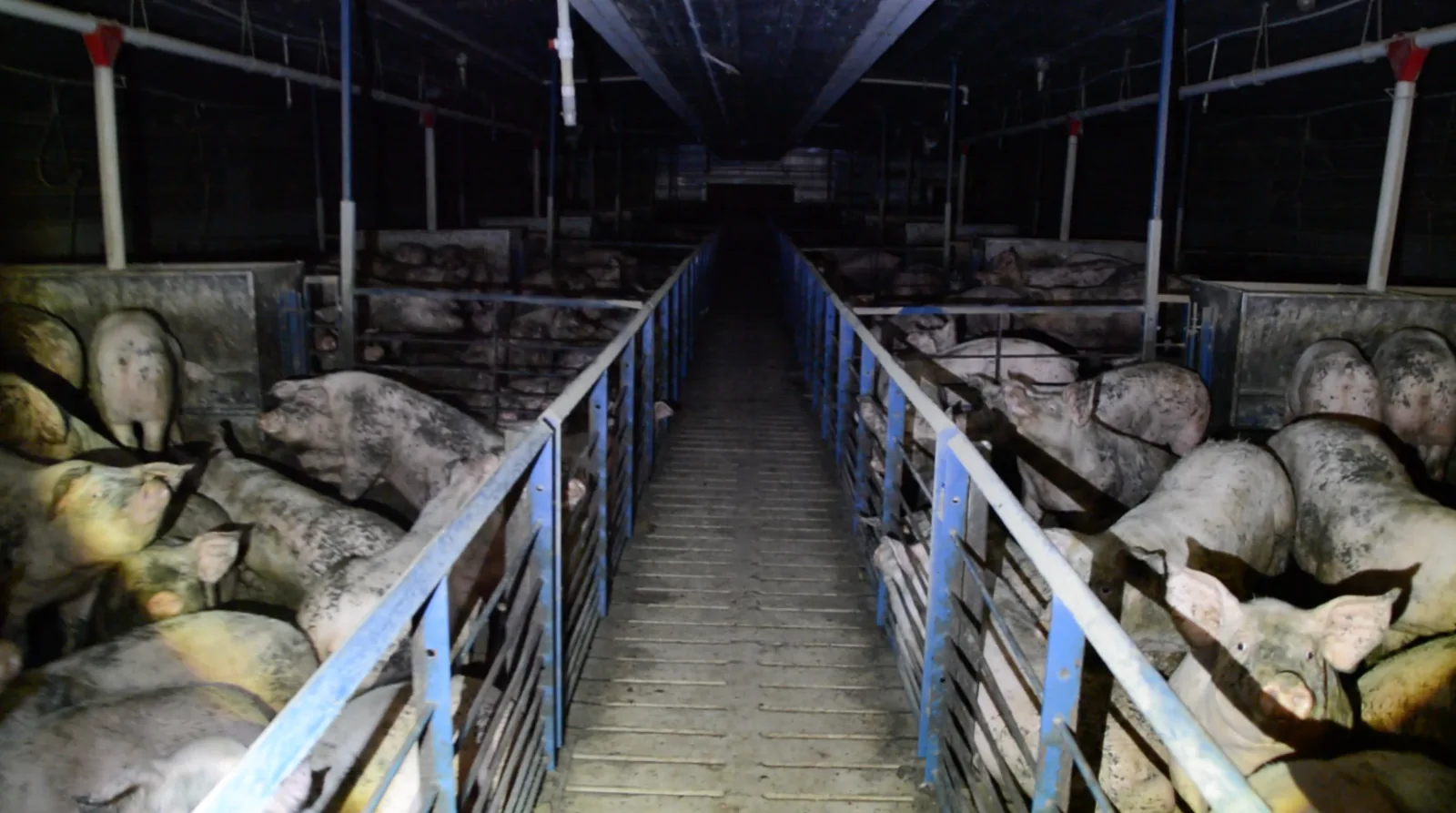
 Smithfield's Farmer John Pig Farm | Tulare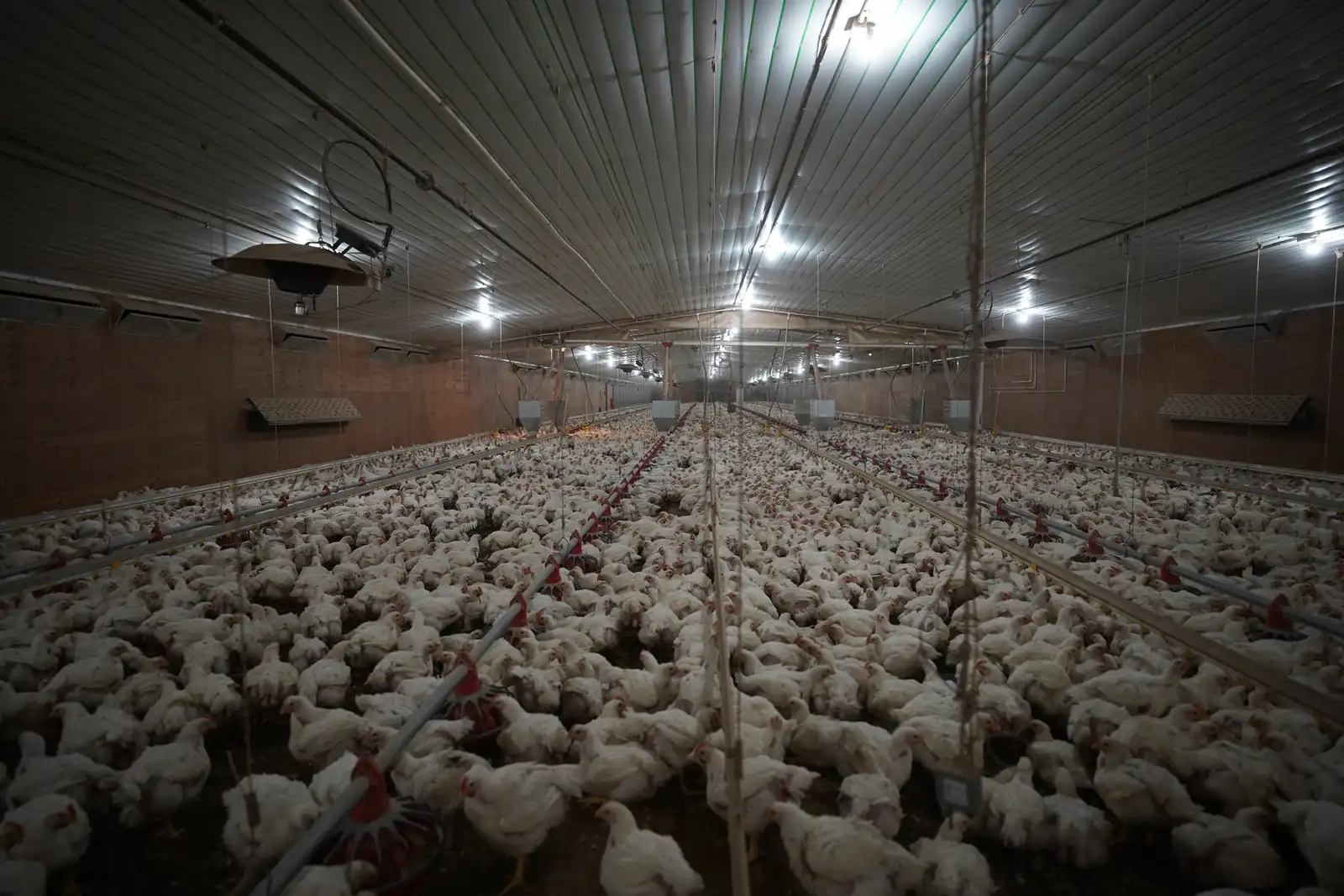
 Foster Farms | Merced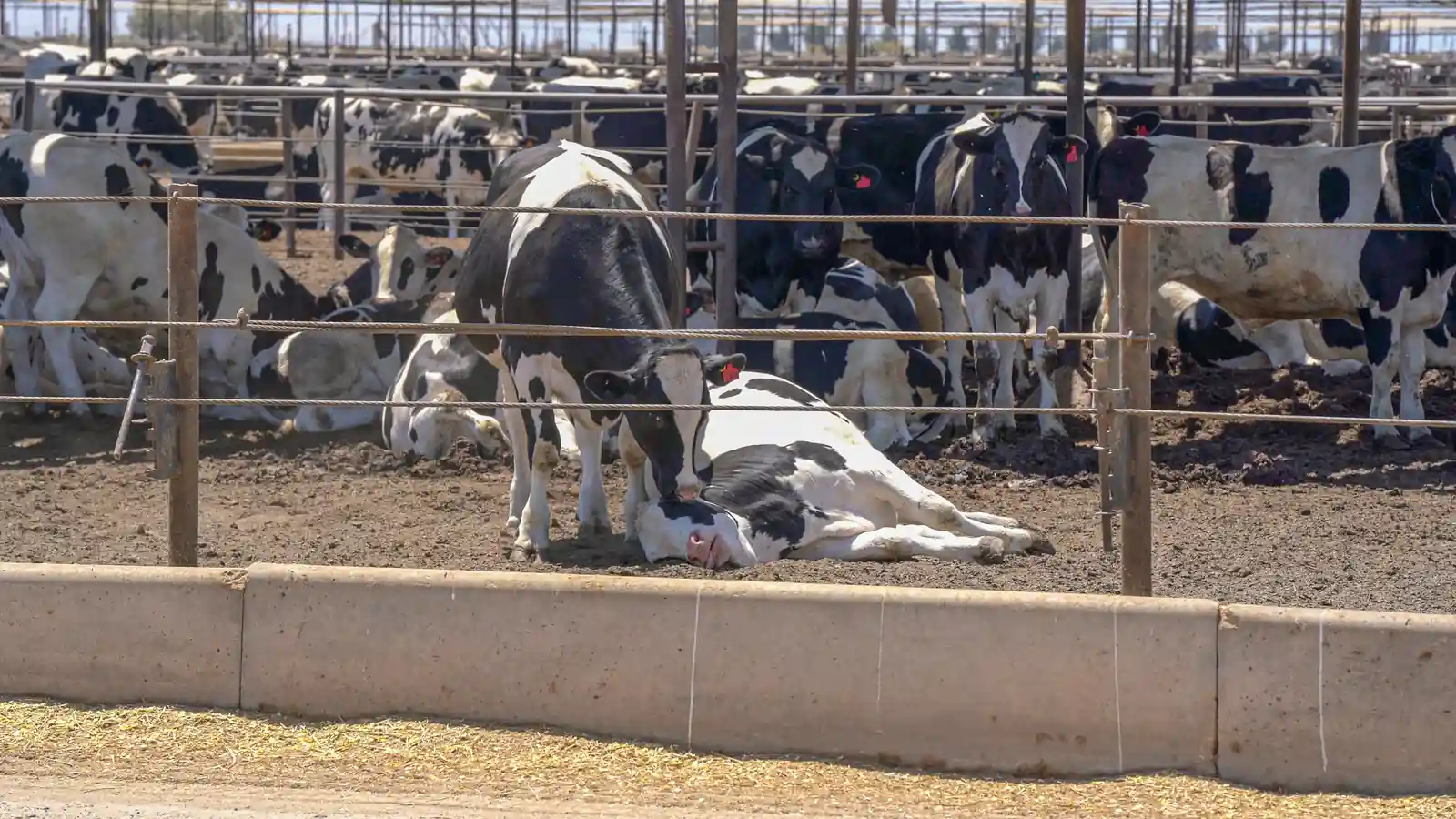
 Brandt Cattle Company | Imperial
How Do These 1300+ Factory Farms Impact California?
These industrial operations pose significant environmental and ethical concerns.
80+ Million Animals
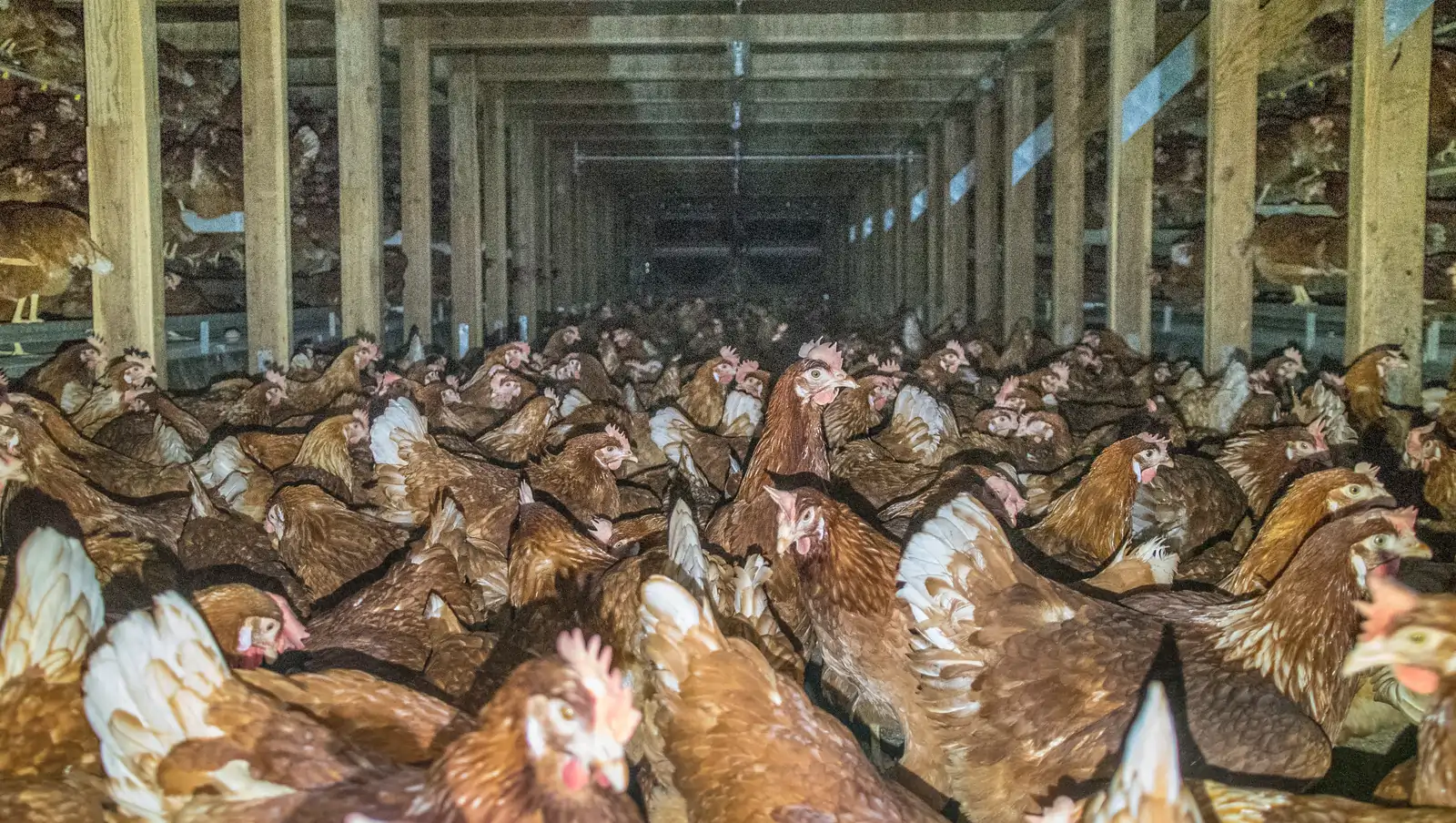
are confined in California's factory farms at any given time. Most of these animals live crowded together inside massive sheds. Egg-laying hens are only required to have 1 single square foot of space per bird, and there is no legal requirement for the amount of space given to birds raised for meat.
53 Million Tons of CO2e
are emitted by California's factory farms in a year. It would require 862,324,363 tree seedlings growing for 10 years to capture this amount of carbon dioxide equivalent (CO2e). Most of this CO2e is released in the form of methane, which is 80 times more potent than CO2 over a 20-year period. Over half of California's total methane emissions come from cattle.
$500+ Million From Taxpayers
have been used to bail out California factory farms for avian flu outbreaks since 2023. The virus spread rapidly across industrial animal farms in California: over 700 dairies had outbreaks and dozens of dairy farm workers were infected. Over 23 million chickens, ducks and turkeys were killed and discarded following avian flu outbreaks.